


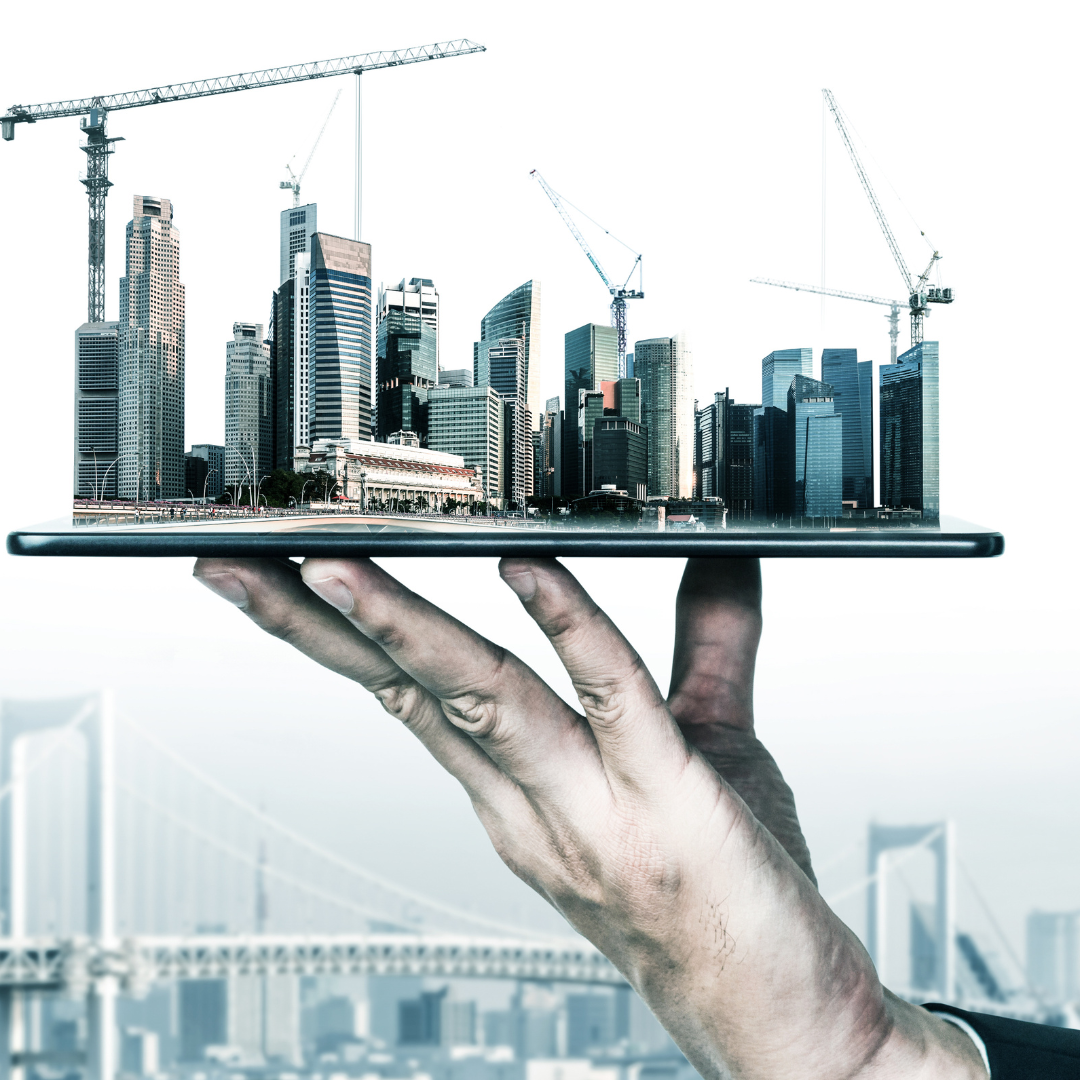
Architecture is more than the art of designing buildings – it’s the blueprint for how we experience the world. From awe-inspiring downtown skyscrapers to serene, minimalist homes tucked in quiet GTA neighborhoods, architecture plays a crucial role in shaping our emotions and daily lives. Great design is not just about aesthetics; it’s also about functionality. A well-designed family home, for example, must be safe and comfortable while catering to the owners’ lifestyle. Every space should serve a purpose – a cozy living room for family movie nights, a kitchen that flows efficiently for easy meal prep – all while looking beautiful. Balancing beauty and purpose is what makes architecture so captivating: the most successful designs harmonize artistic vision with practical use.
Architects are constantly innovating and solving complex problems through design. We’ve all seen futuristic concept sketches of buildings that twist and reach toward the sky, seemingly defying gravity. But innovation isn’t just about eye-catching shapes – it’s also about addressing real-world challenges. One of the most exciting frontiers in architecture today is sustainable design. With growing awareness of environmental challenges, architects are finding new ways to reduce a building’s carbon footprint. From houses that produce as much energy as they consume, to skyscrapers with advanced insulation and solar panels, the future of architecture is promisingly green. We’re also seeing experimentation with cutting-edge construction techniques – imagine 3D-printed homes or prefab modules that snap together like Lego blocks, speeding up construction while reducing waste. All of these advances point toward a future where form and function unite to create buildings that serve both people and the planet.
There’s an inherently emotional element to a well-designed space. The moment you step into a beautiful building, it can evoke feelings of awe, calm, or inspiration. Think of walking into a sunlit atrium or a grand cathedral with soaring ceilings – the architecture guides your experience and mood. On the other hand, a poorly designed, cramped space might leave you feeling uneasy or uninspired. Architects carefully consider these emotional impacts. For example, museums are often designed with flowing layouts and controlled lighting to guide visitors on a journey through art, while a cathedral’s lofty vaults and intricate details aim to instill reverence. In every project, the goal is to create an environment where every corner invites discovery and every detail is thoughtfully considered. When form, function, and feeling come together, the result is architecture that truly enriches lives.
Looking ahead, the world is changing – and so is architecture. As cities like Toronto grow more crowded and technology continues to advance, architects must anticipate tomorrow’s needs in today’s designs. Smart city concepts are becoming reality, where buildings communicate with infrastructure to optimize energy use and traffic flow. Digital technologies like Building Information Modeling (BIM) allow architects and engineers to collaborate in virtual 3D spaces. This means the imaginative ideas of architects are grounded in technical feasibility from the start. The focus on sustainability is also here to stay: new buildings will increasingly feature renewable energy sources, rainwater recycling, and materials chosen for low environmental impact. We’re also designing for resilience – ensuring structures can adapt to climate change and evolving urban needs. The future of architecture in Toronto and beyond will be defined by creativity, innovation, and a deep respect for our environment and community needs. At ITHD, we embrace this future, blending visionary design with practical expertise to create the spaces of tomorrow.